


Free written scope consultation - allowances, timeline, and change-order rules on paper before a single trade is scheduled
Tuff Shed Home Additions & ADU: The Austin Owner’s Guide
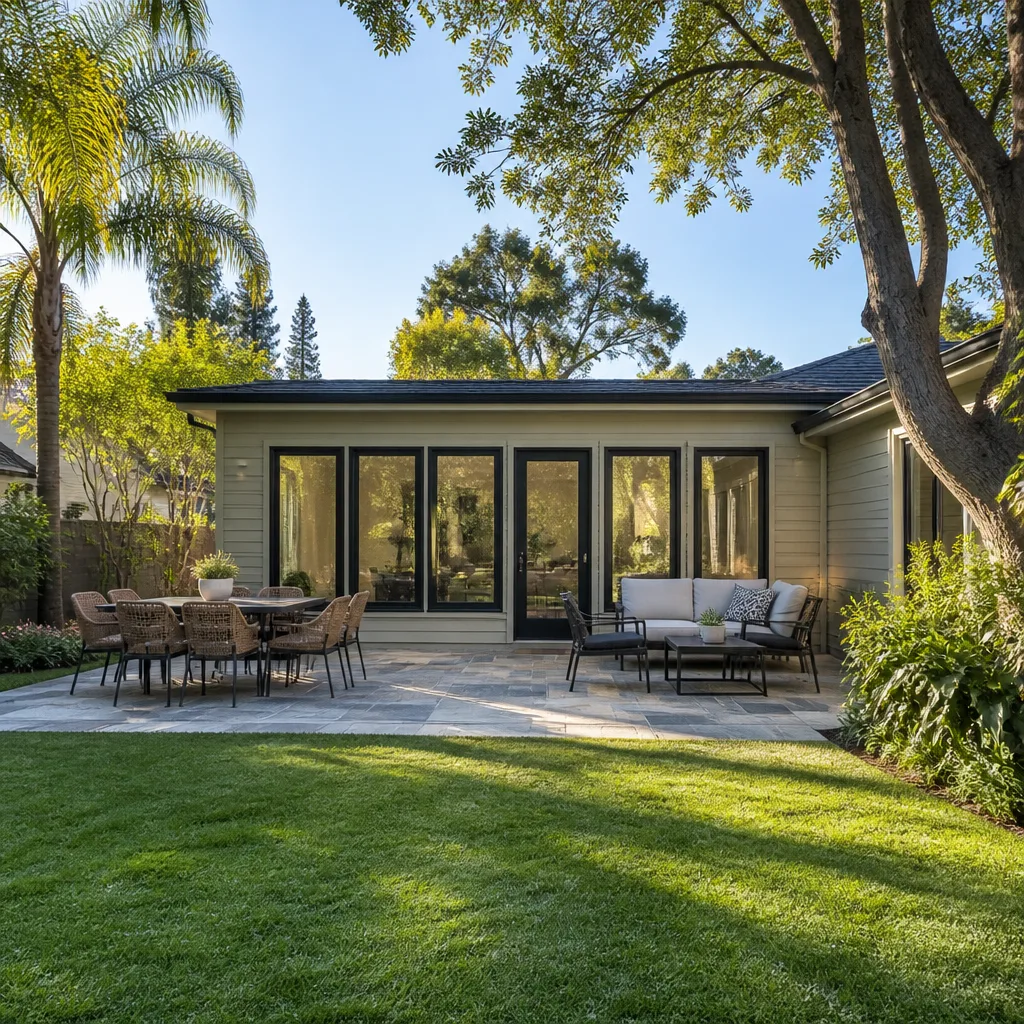
A Tuff Shed home addition or ADU conversion in Austin typically runs $45,000 to $130,000 fully permitted and finished, depending on whether you’re converting an existing Tuff Shed structure or building a new one from the ground up. We stock and install the components that turn a Tuff Shed shell into a livable, code-approved space: subfloor framing, insulation, HVAC rough-in, electrical panels, egress windows, and interior finish materials including KraftMaid cabinetry and Cambria or Silestone countertops where they fit the job. Most Austin owners discover the gap between a shed and an ADU the hard way: the shell goes up, then the city asks for engineering stamps, and the project stalls for months. That’s where we come in.
Mason Remodeling Co Austin is an independent contractor. We’re not affiliated with Tuff Shed, which means we tell you straight what the shell can and can’t support before anyone spends money on finishes that won’t pass inspection in Travis County.
Which Tuff Shed Models This Applies To
The two Tuff Shed lines we see most in Austin backyards are the Premier PRO series and the Ranch series. The Premier PRO is the one that realistically converts to an ADU: it’s built on a 4×6 treated floor joist system rather than the standard 2×4 runners, which means the floor can carry the dead load of a finished interior without sagging. The Ranch series works for a home addition only if you’re anchoring it to an existing concrete slab and not expecting it to hold a kitchen.
The gotcha most owners miss: Tuff Shed walls are framed 24 inches on center, not the 16 inches residential code expects once you call it living space. That affects insulation R-value, drywall attachment, and window and door rough openings. If the shed was built before 2018, it may also lack a continuous ridge vent that Austin’s summer humidity will demand once you condition the air inside. We check the manufacturer plate on the door jamb, measure the stud spacing, and tell you whether the shell is worth converting or whether you’re better off starting with a stick-built addition and using the shed as storage. That conversation takes fifteen minutes and saves some owners thirty grand.
Styles & brands we work with







Signs Your Tuff Shed Home Additions & ADU Is Failing
- Condensation on the inside walls or ceiling by 9 a.m. This means the shell was never properly air-sealed and you’re getting thermal bridging through the 24-inch stud bays. Left alone in Austin’s humidity, it turns to mold inside the wall cavity within one season.
- The floor bounces when you walk across it with a couch in place. The original 2×4 runners weren’t rated for finished loads. You’ll feel it most near the center of the span. This is a structural issue, not a wear item, and it needs to be addressed before any flooring goes down.
- Doors stick in the frame during wet months. The treated lumber absorbs moisture and swells, and the opening tolerance Tuff Shed builds in for a storage shed isn’t tight enough for a conditioned living space. What starts as a sticky door becomes a rotted threshold by year three.
- Electrical outlets are dead on one wall only. Sheds get power through a single subpanel feed, and the wiring runs through exterior conduit that’s exposed to lawn equipment, weed trimmers, and Austin’s freeze-thaw cycle. A dead wall usually means a nicked line at the penetration point.
- You can see daylight at the wall-to-floor joint. This is the classic Tuff Shed seam issue. The shell is built to shed water, not to be airtight, and once you’re inside with a flashlight on a bright day, you’ll find gaps you can slide a putty knife through. Every one of them leaks conditioned air and lets pests in.
See the difference
 Before
 After
After Before
 After
After Before
 After
AfterReplacement Cost & What’s Included
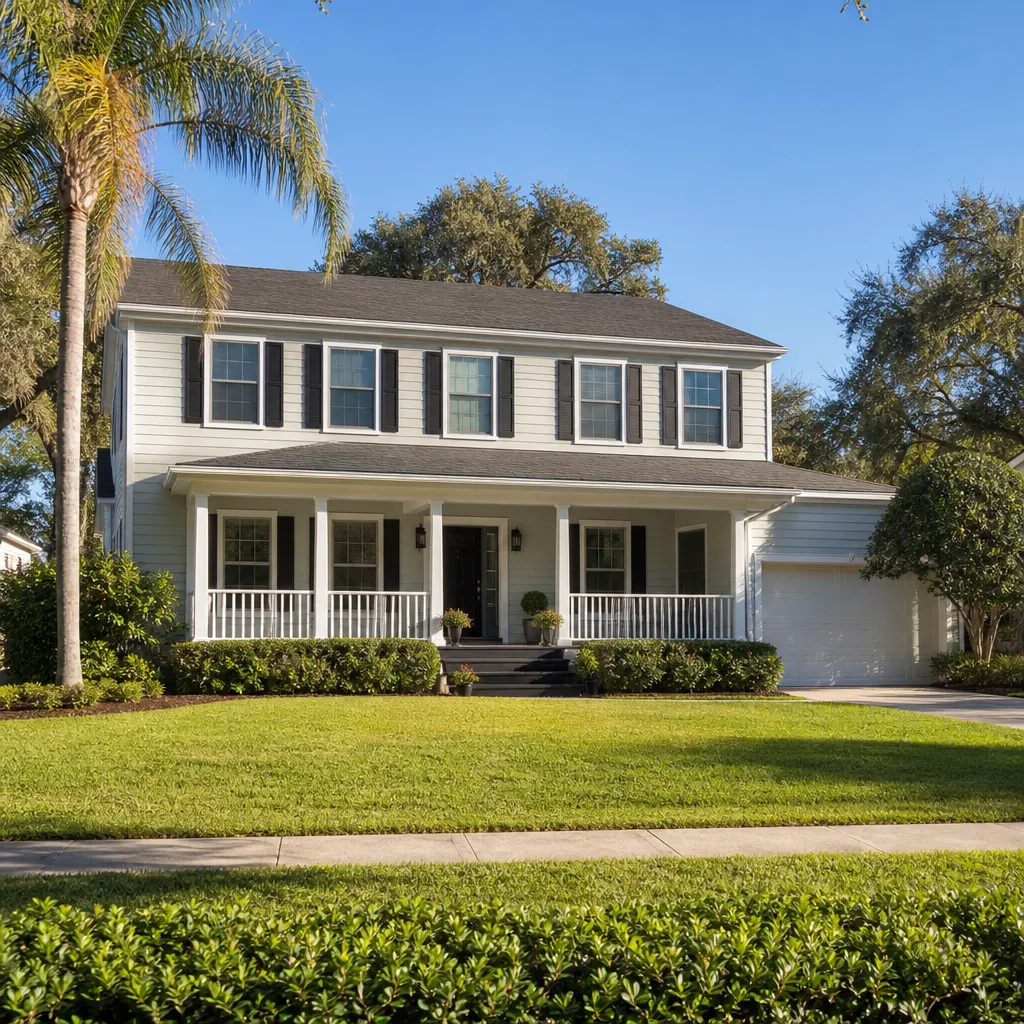
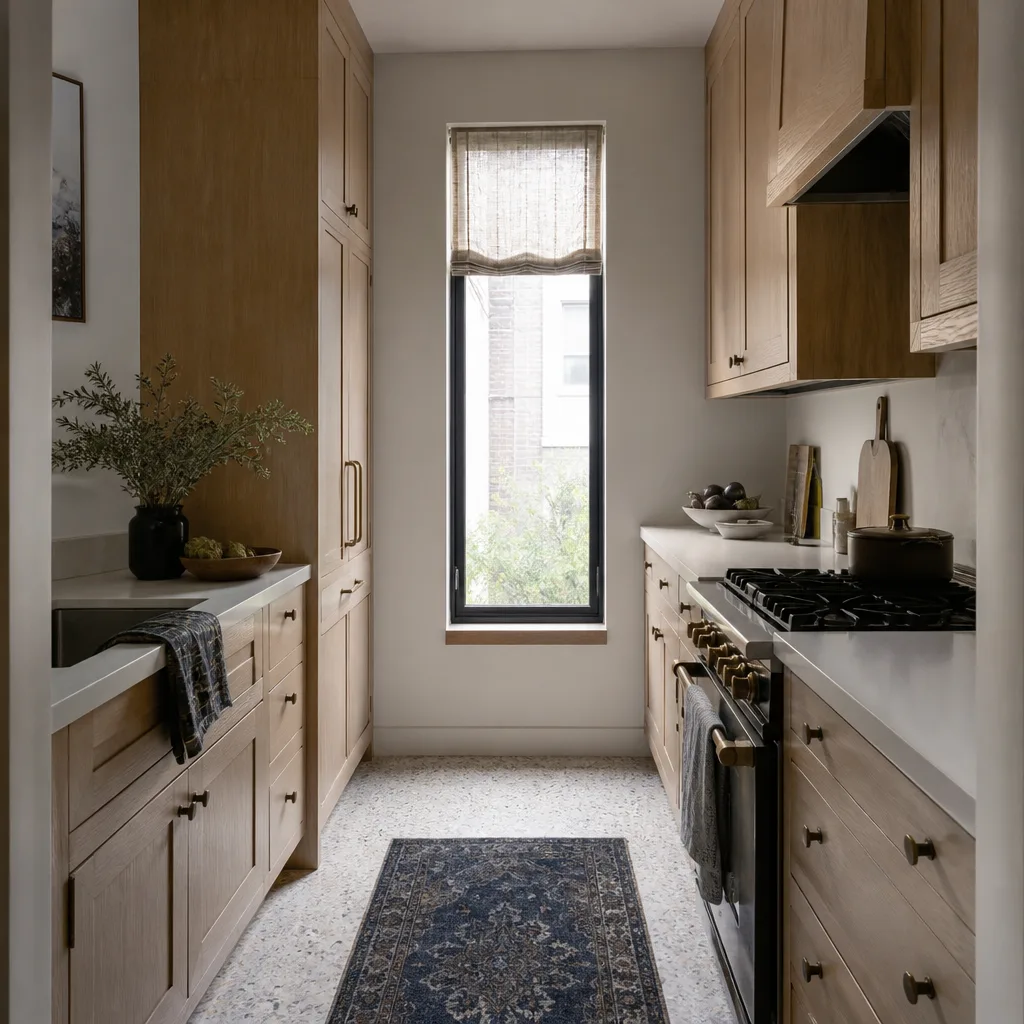
A full Tuff Shed ADU conversion in Austin lands between $45,000 and $130,000. On the low end, you’re getting a single-room space with a finished floor, insulated walls and ceiling, one egress window, a mini-split HVAC unit, and a basic electrical subpanel. The high end brings a kitchenette with KraftMaid cabinets, a Cambria or Silestone countertop, a full bathroom, plumbing tie-in to the main house, and all Travis County permits and inspections closed out. A home addition built off an existing Tuff Shed Ranch shell starts around the same low number but the realistic mid-range sits closer to $75,000 once framing corrections and foundation work are factored in.
Every price we give in Austin is a written, line-item quote before any work starts. That’s not a promotion. We don’t work any other way. The labor includes the engineering review, permitting paperwork, materials, and the crew. And the work is covered by our 365-Day Done Right Promise: if something isn’t right within a year of completion, we fix it at no cost to you.
DIY or Call Us?
You can check a few things yourself: whether the shed has a manufacturer plate on the door, whether the floor joists read 4×6 or 2×4, and whether you’re seeing light at the wall-to-floor seam. That information helps us quote accurately over the phone. What you shouldn’t do is pull a permit, run electrical, or start cutting into load-bearing walls on a Tuff Shed shell. The high-tension risk isn’t springs in this case, it’s structural: once you widen an opening or add a bathroom in a 24-inch-on-center frame without an engineer’s stamp, you’ve created a wall that can rack in a windstorm and an inspection failure that costs more to undo than to plan around from the start.
As Isaac Pruett puts it: “Tell me what’s wrong with it. We’ll figure out what it actually needs.” Call (903) 623-1966 and we’ll walk through the shed with you, in person, before anyone spends a dollar.
FAQs

Plan on 10 to 16 weeks from permit submission to final inspection, depending on whether you’re adding plumbing and whether the shell needs structural retrofitting. The permitting phase in Travis County is typically 3 to 4 weeks, and that clock starts before any saws come out. Call (903) 623-1966 for a realistic timeline on your specific shell.
Yes, and often that’s the right call. If the shed is structurally sound and you just need it to stop leaking, keep pests out, and hold temperature, we can air-seal, insulate, and re-skin the interior at a fraction of conversion cost. The honest answer depends on what the shell is right now, which is why we look at it before recommending anything. Estimates are free.
We source and deliver everything: framing lumber, insulation, electrical components, HVAC equipment, KraftMaid cabinetry, and Cambria or Silestone surfaces where the design calls for them. You don’t chase supply-chain lead times in Austin; that’s our job, and we order from suppliers we’ve used for years so the materials actually arrive when the schedule says they will.
In most cases, yes, but only with an engineer’s review and a finished conversion plan. Austin permits ADUs under specific residential codes, and the shed’s foundation type, stud spacing, and roof structure all get scrutinized. We handle the engineering and the paperwork, and we don’t start work until the permit is in hand. Call (903) 623-1966 to have us check your property and your shed before you commit.
Written by Isaac Pruett, Owner, Mason Remodeling Co Austin at Mason Remodeling Co Austin, serving Austin and nearby areas.


