


Free written scope consultation - allowances, timeline, and change-order rules on paper before a single trade is scheduled
Quikrete Kitchen Remodeling: The Austin Owner’s Guide
Quikrete kitchen remodeling in Austin typically runs $14,000 to $45,000 installed, depending on whether you’re doing a partial refresh or a full gut-out with structural work. We’re talking about the countertops, backsplashes, and concrete-based surfaces where Quikrete products actually show up in a kitchen, not a literal Quikrete-branded remodel kit. Most Austin homeowners call us after they notice the concrete countertop surface has started spalling, the edge has crumbled near the sink, or the previous contractor’s pour left hairline cracks that now trap coffee grounds and grease. If that describes your kitchen, here’s what you need to know before you spend another dollar.
We stock and install Quikrete-compatible kitchen surfaces throughout Austin, from Mueller to Allandale to Circle C. We’re an independent service provider, not affiliated with Quikrete, which matters because we’ll tell you straight when a surface can be saved and when it needs to come out. Isaac Pruett has pulled enough failed concrete counters out of Austin kitchens to know the difference between a cosmetic issue and a structural one.
Which Quikrete Models This Applies To
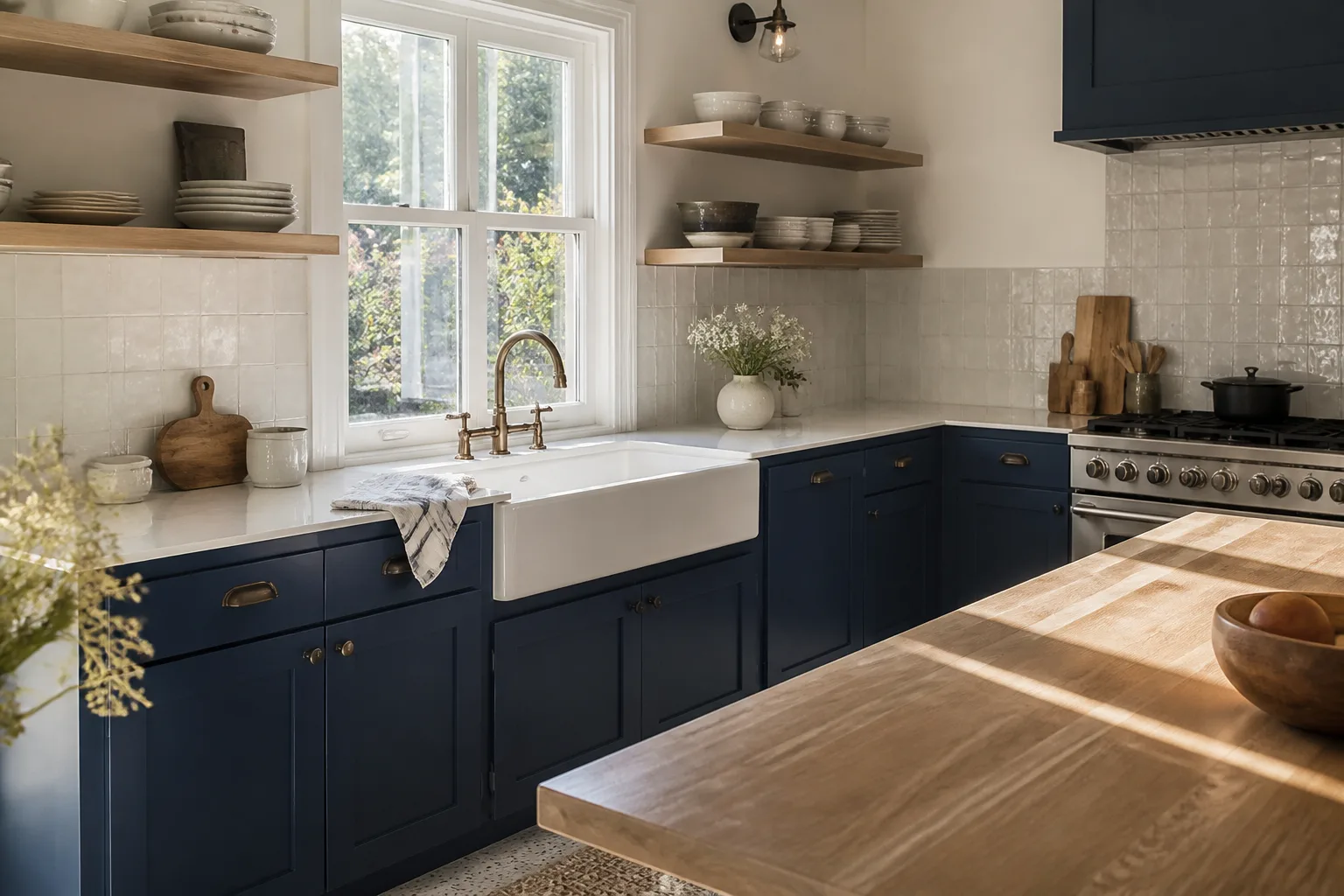
In the kitchen context, you’re almost always working with one of three Quikrete product lines: the Countertop Mix (typically poured in place or cast offsite), the Re-Cap resurfacing system, or the FastSet repair products used for spot fixes. The compatibility gotcha most Austin owners miss is this: Quikrete Countertop Mix is designed to be poured at a specific thickness, usually 1.5 to 2 inches. If a previous contractor skimmed it thinner than that over plywood, you’ll get the spiderweb cracking and edge chipping we see all over older Austin remodels. The mix itself hasn’t failed. The installation did.
Identifying what you’re working with means checking the underside of the counter or the backsplash edge. A label or stamp will tell you the product line. If the surface was cast in place, you’ll sometimes find remnants of the form board still attached underneath. For poured-in-place work, there’s no OEM part number to chase. You’re matching the mix, the finish, and the sealer. For Re-Cap applications over old tile or laminate, the failure point is almost always the bond between the skim coat and the original surface. That’s the second most common reason an Austin homeowner ends up calling us, right behind Austin’s hard water slowly etching an unsealed or poorly sealed surface.
We also work with KraftMaid cabinetry, Cambria and Silestone quartz surfaces, so if your Quikrete counter is getting pulled, we can quote a replacement that’ll hold up better in an Austin kitchen that sees real daily use.
Styles & brands we work with







Signs Your Quikrete Kitchen Remodeling Is Failing
- Hairline cracks radiating from the sink cutout. This usually means the opening wasn’t reinforced properly before the pour. In Austin’s clay-heavy soil, minor slab movement transfers stress straight to that weak point.
- Spalling or pitting on the surface. Water got into the concrete’s pores and then Austin’s summer heat expanded it. Once spalling starts, it doesn’t reverse, and no sealer will save a surface that’s already shedding.
- Crumbling or chipped edges where the counter meets the cooktop or sink. Thin pours chip first at transition points. Every time a hot pan touches that edge or someone leans on it while cleaning, a little more goes.
- White haze or chalky residue that won’t clean off. That’s efflorescence, salts migrating through the concrete because moisture is getting in from somewhere. In Austin, humidity swings between our dry spells and rainy seasons make this worse than most places.
- Stains that won’t lift no matter what you scrub with. Once the sealer fails, oils and acids go straight into the concrete. Red wine, olive oil, lime juice: Austin kitchens use all of them daily, and an unsealed Quikrete counter is a sponge.
See the difference
 Before
 After
After Before
 After
After Before
 After
AfterReplacement Cost & What’s Included
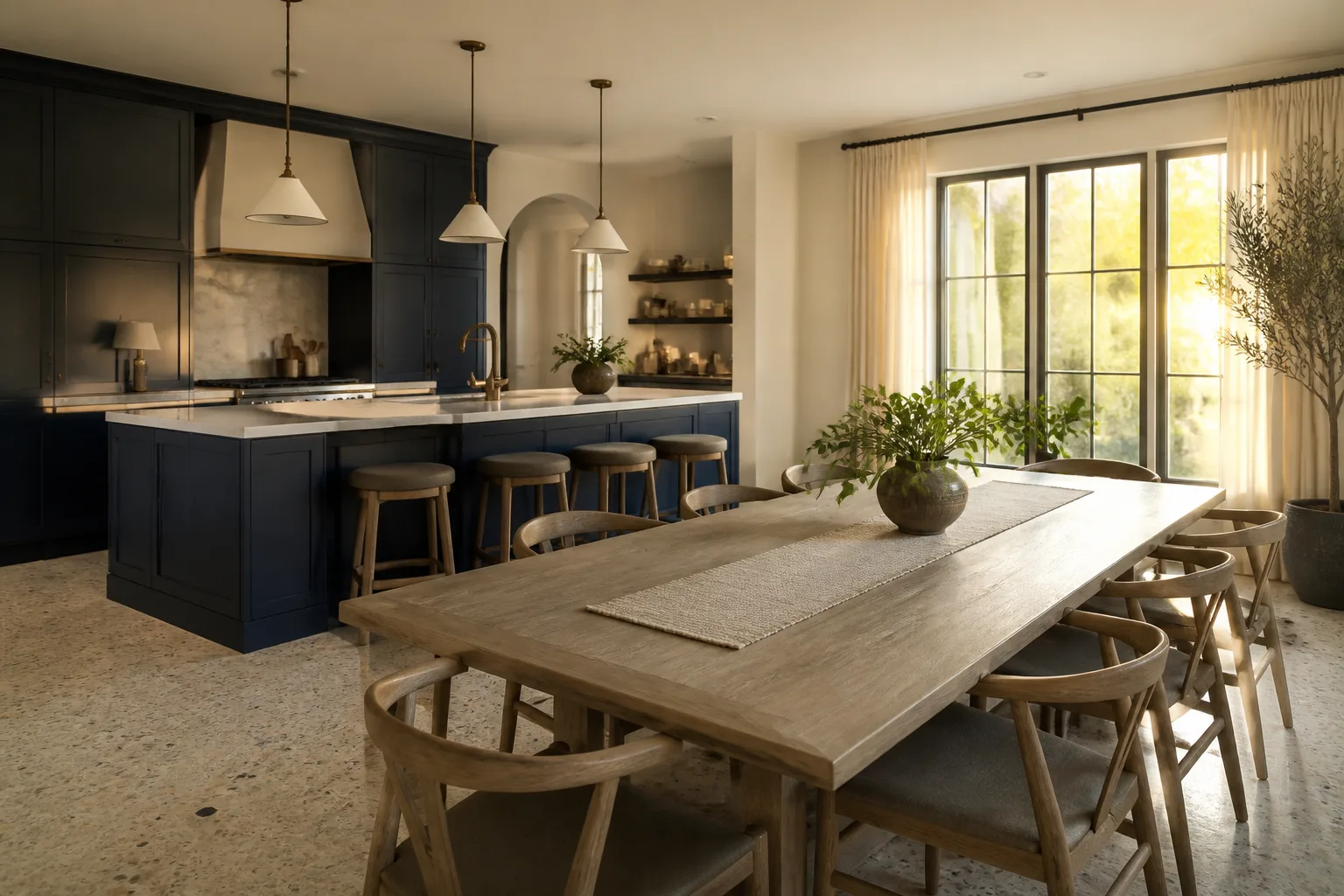
A full Quikrete kitchen counter replacement in Austin runs $2,000 to $6,500 depending on square footage, edge detail, and whether we’re removing the old surface or going over a stable substrate. A kitchen remodel that includes new concrete counters, backsplash, and associated cabinet adjustments lands in the $14,000 to $45,000 range. The biggest cost drivers are the existing surface condition, whether plumbing needs to come out to remove the old counter safely, and any cabinet repair work required before the new concrete goes down.
Every Mason Remodeling Co Austin quote is a written price before any work starts. That’s not a deal we run sometimes. It’s how every project works. The price includes demolition, disposal, prep, pour or fabrication, finishing, sealing, and the 365-Day Done Right Promise: if the work isn’t right within a year of completion, we make it right at no cost to you. You’ll also get a written guarantee with the terms spelled out in plain language, including what’s covered and for how long. 365 days from the completion date, not some vague “we stand behind our work” line.
DIY or Call Us?
You can safely check the obvious things: is the surface pitted or spalling, are the cracks getting wider, does water bead up or soak in? If water doesn’t bead, the sealer is gone, and that’s your early warning. What you shouldn’t do is pour Quikrete Countertop Mix yourself over a compromised substrate. The mixing ratios, the curing time in Austin’s heat, the wet-sanding, the sealing: every step has a failure mode that turns a $300 weekend project into a $4,000 removal. And if the existing counter is cracked around the sink, the plumbing disconnection and reconnection is where we see DIY jobs go sideways fast.
Concrete counter work isn’t a high-tension safety issue like a garage spring or electrical panel. It won’t hurt you. But a failed pour will cost you more than hiring it out the first time. Isaac’s take on it is simple: “Tell me what’s wrong with it. We’ll figure out what it actually needs.” Call us at (903) 623-1966 and we’ll walk through what you’re seeing before we ever schedule a visit.
FAQs
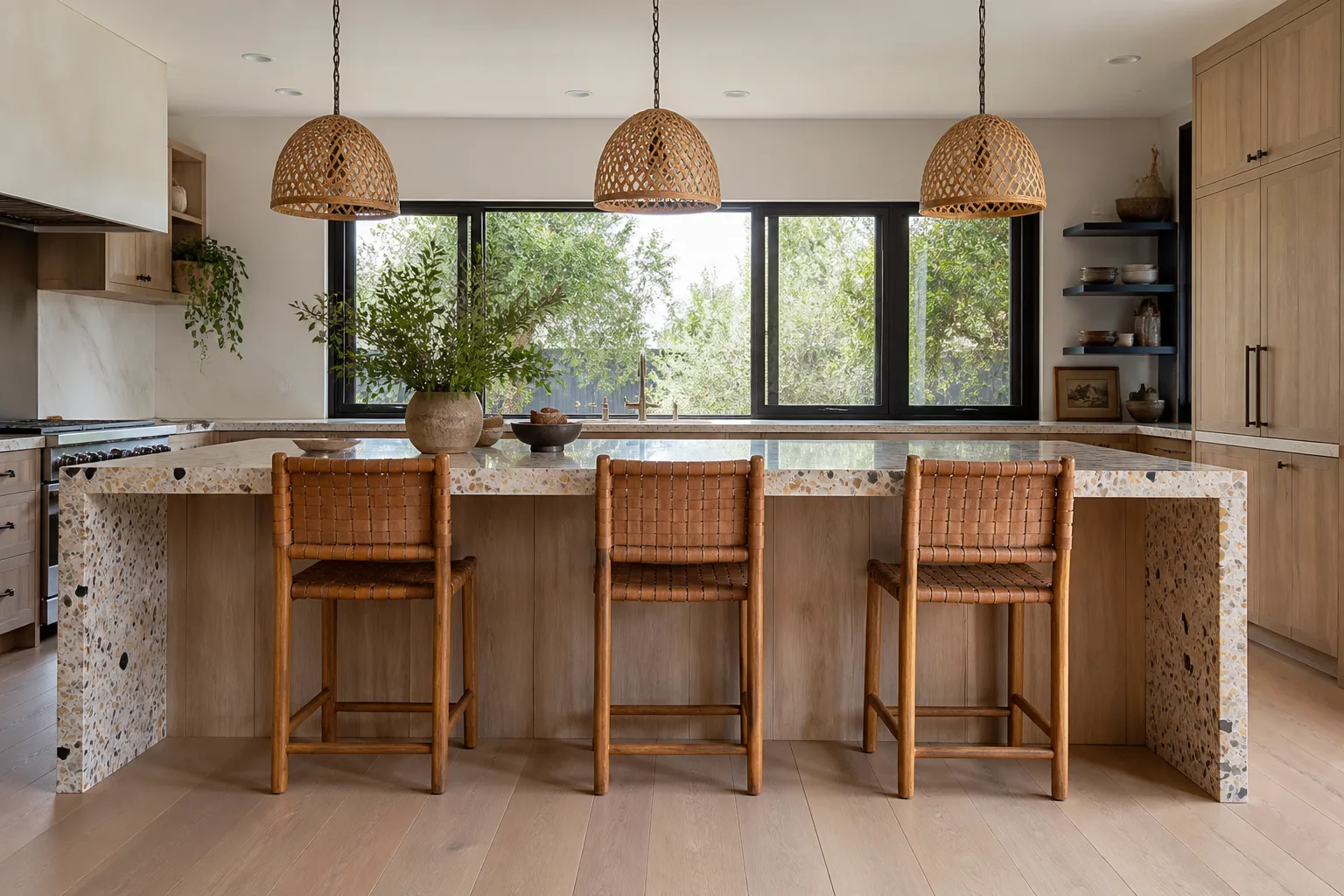
A properly poured and sealed Quikrete counter in Austin lasts 15 to 20 years before needing resurfacing, though our hard water and dry heat mean resealing every 2 to 3 years is the real maintenance schedule. Poorly installed pours can fail in under 5 years, which is why we spend so much time inspecting before recommending work. Call (903) 623-1966 and we’ll tell you honestly whether yours has life left in it.
Small spalls can sometimes be patched with a color-matched FastSet product, but the repair will always show, and once spalling has spread across more than a few square inches, full resurfacing or replacement is usually cheaper than chasing patches. We’ll give you both options with written pricing before you decide. Estimates are free at (903) 623-1966.
Most Austin replacements take 3 to 5 working days from demo to sealed surface, with cast-in-place pours needing the most time for curing before finishing. We’ll give you a schedule in writing as part of your quote so you know exactly when the kitchen comes back online.
We keep Countertop Mix, FastSet patching products, and Re-Cap resurfacing materials stocked for Austin jobs so we don’t lose days waiting on supply runs. If you need a specific Quikrete product match, tell us what’s on the label and we’ll confirm we have it before we arrive.
Call (903) 623-1966 for a free estimate on Quikrete kitchen repair or replacement in Austin. A live person answers, and you’ll know exactly who’s coming before they reach your door.
Written by Isaac Pruett, Owner, Mason Remodeling Co Austin at Mason Remodeling Co Austin, serving Austin and nearby areas.


