


Free written scope consultation - allowances, timeline, and change-order rules on paper before a single trade is scheduled
Plant Prefab Home Additions & ADU: The Austin Owner’s Guide
If you’re planning a Plant Prefab home addition or ADU in Austin, you’re looking at an installed cost of roughly $45,000 to $130,000 for a home addition, and $90,000 to $220,000 for a freestanding or attached ADU, depending on size, site conditions, and finish level. Mason Remodeling Co Austin handles Plant Prefab panel assembly, foundation tie-ins, and full interior finish work as an independent contractor (we’re not affiliated with Plant Prefab, but we work with their systems regularly). Most Austin owners call us after they’ve hit a snag: a panel connection that’s shifted, a roofline that’s not seated right after a Texas windstorm, or a prefab module that arrived with a damaged connector and nobody on site who knows how to fix it properly. We get it sorted, usually within one to two site visits.
Key Takeaways
- Home additions on Plant Prefab structures run $45,000 – $130,000 installed in Austin; ADUs run $90,000 – $220,000.
- We’re an independent Austin contractor experienced with Plant Prefab panel and module systems, not a Plant Prefab dealer.
- Every project gets a written price before work starts, and a written 365-day guarantee when it’s done.
Which Plant Prefab Models This Applies To

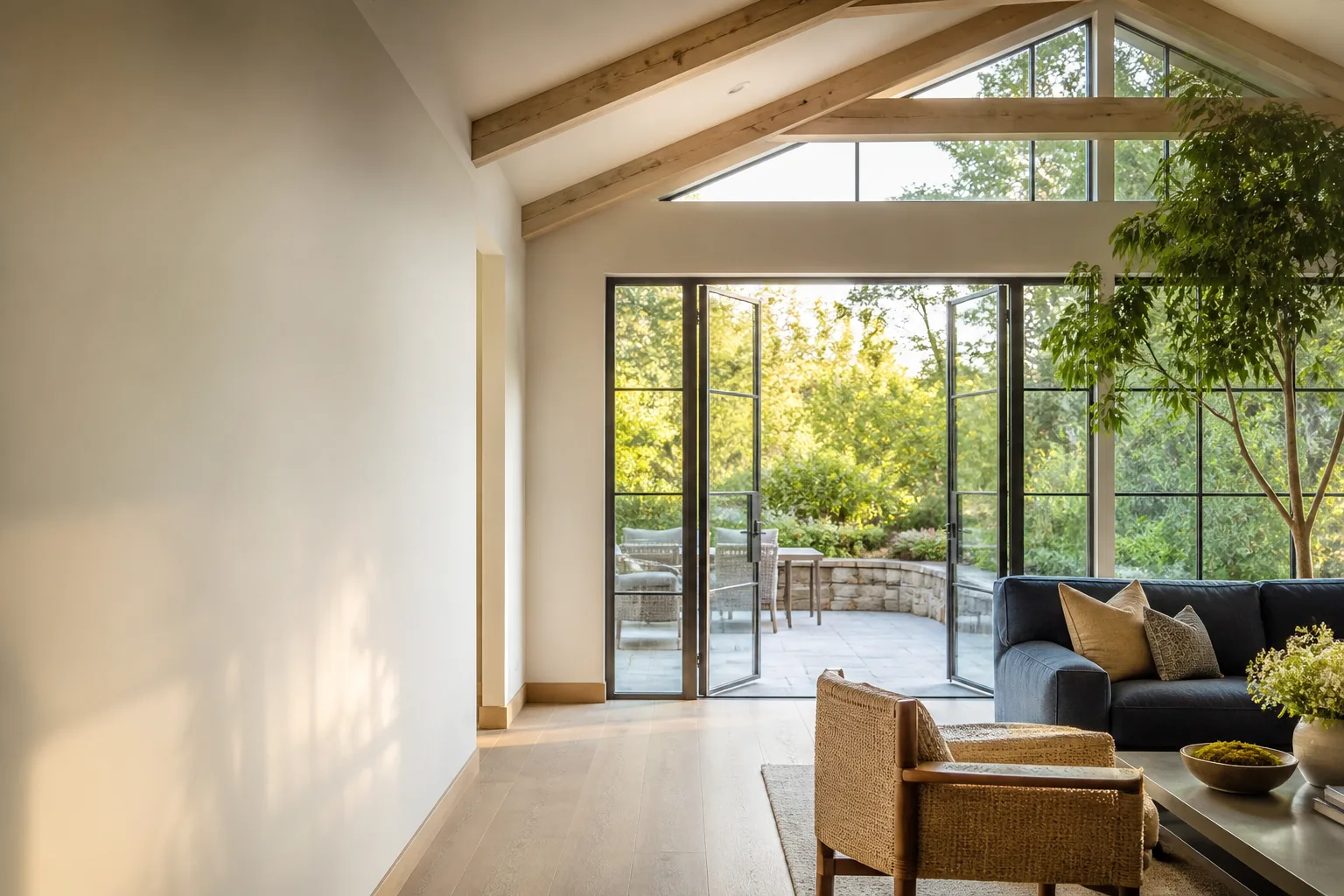
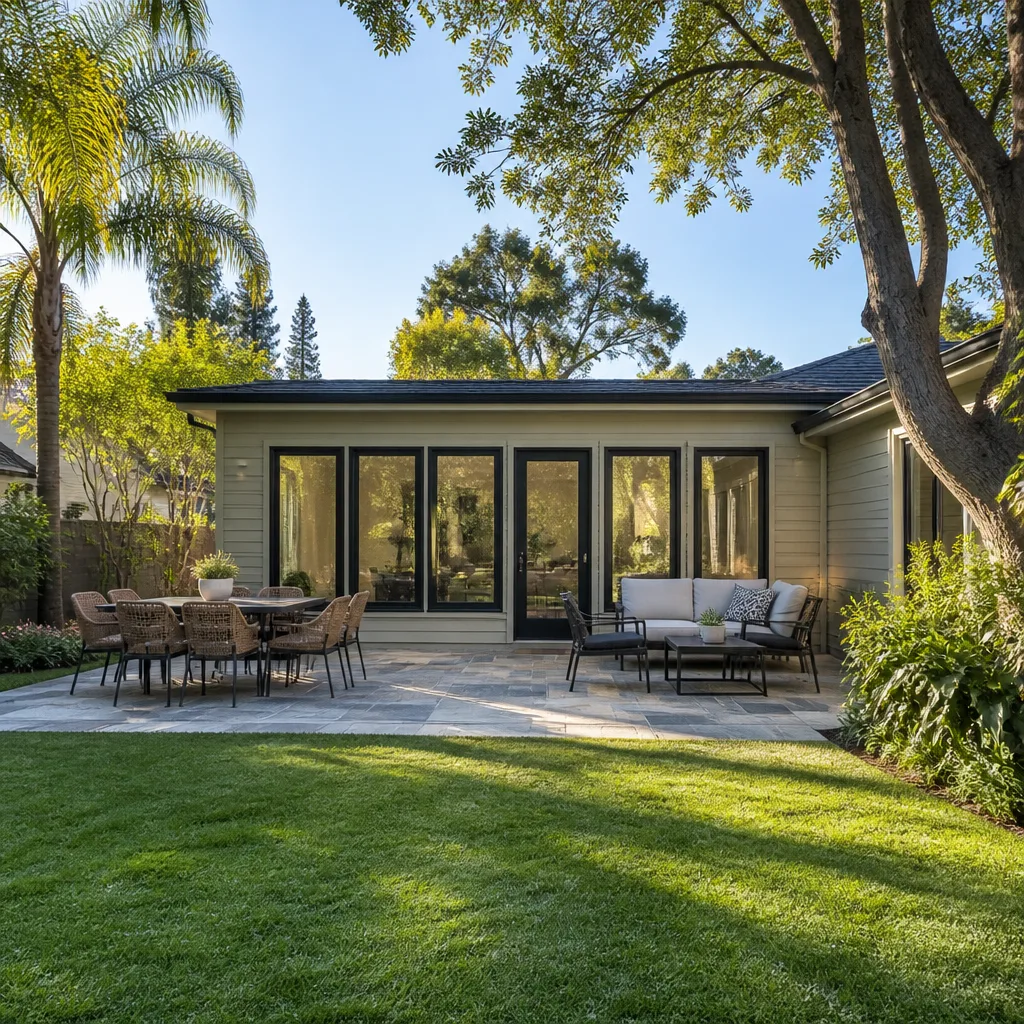
Plant Prefab builds using a few different panel and module systems, and the version you have changes how we approach the addition. The most common we see in Austin are the Plant Panels (open wall panels that ship flat and get assembled on site) and Plant Modules (fully finished volumetric modules that arrive on a truck). If your home was built with panelized construction, an addition means matching stud spacing, sheathing thickness, and connection hardware to the existing panels. If it’s modular, we’re working with the module-to-module connection plates and the roof membrane overlap at the marriage line.
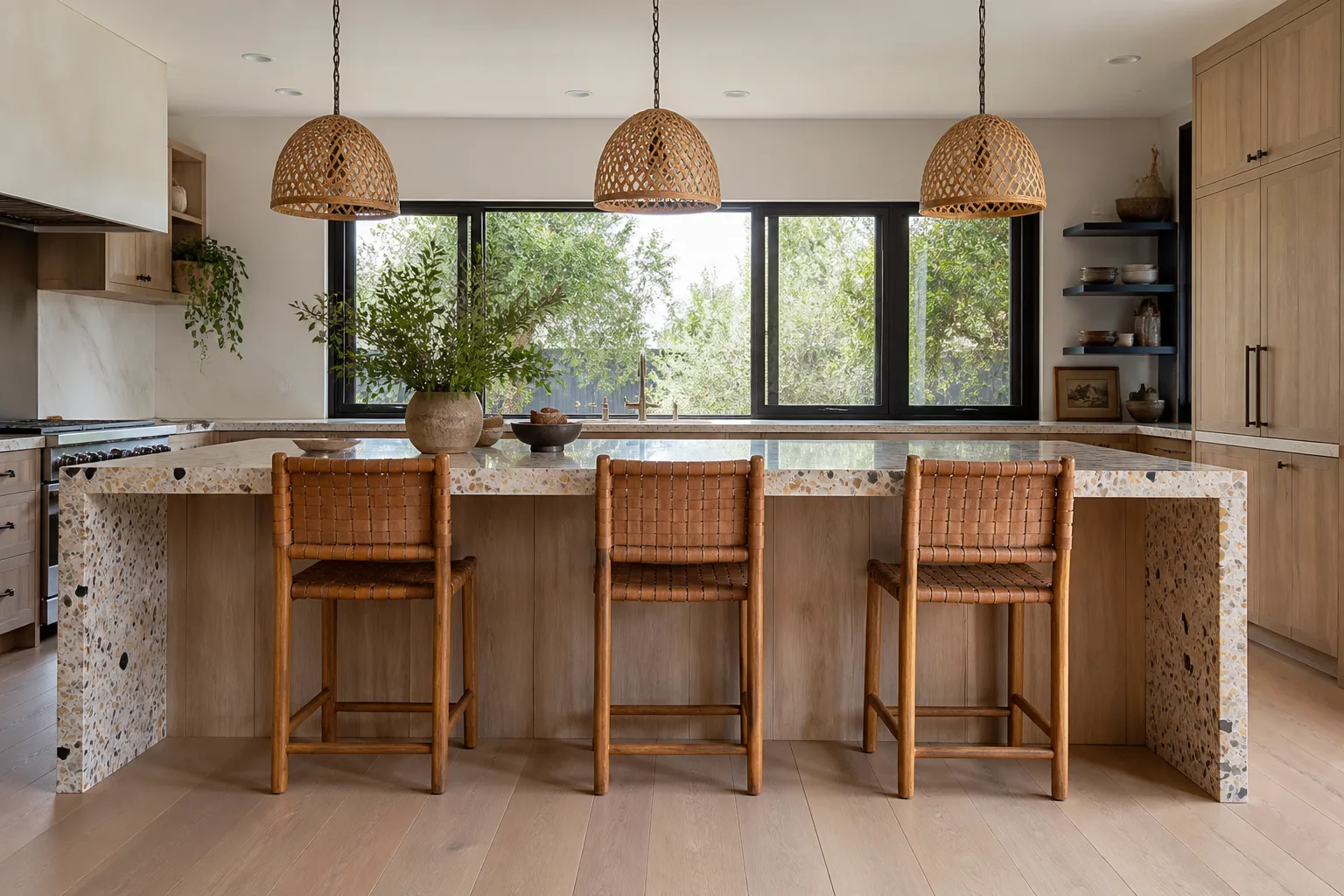
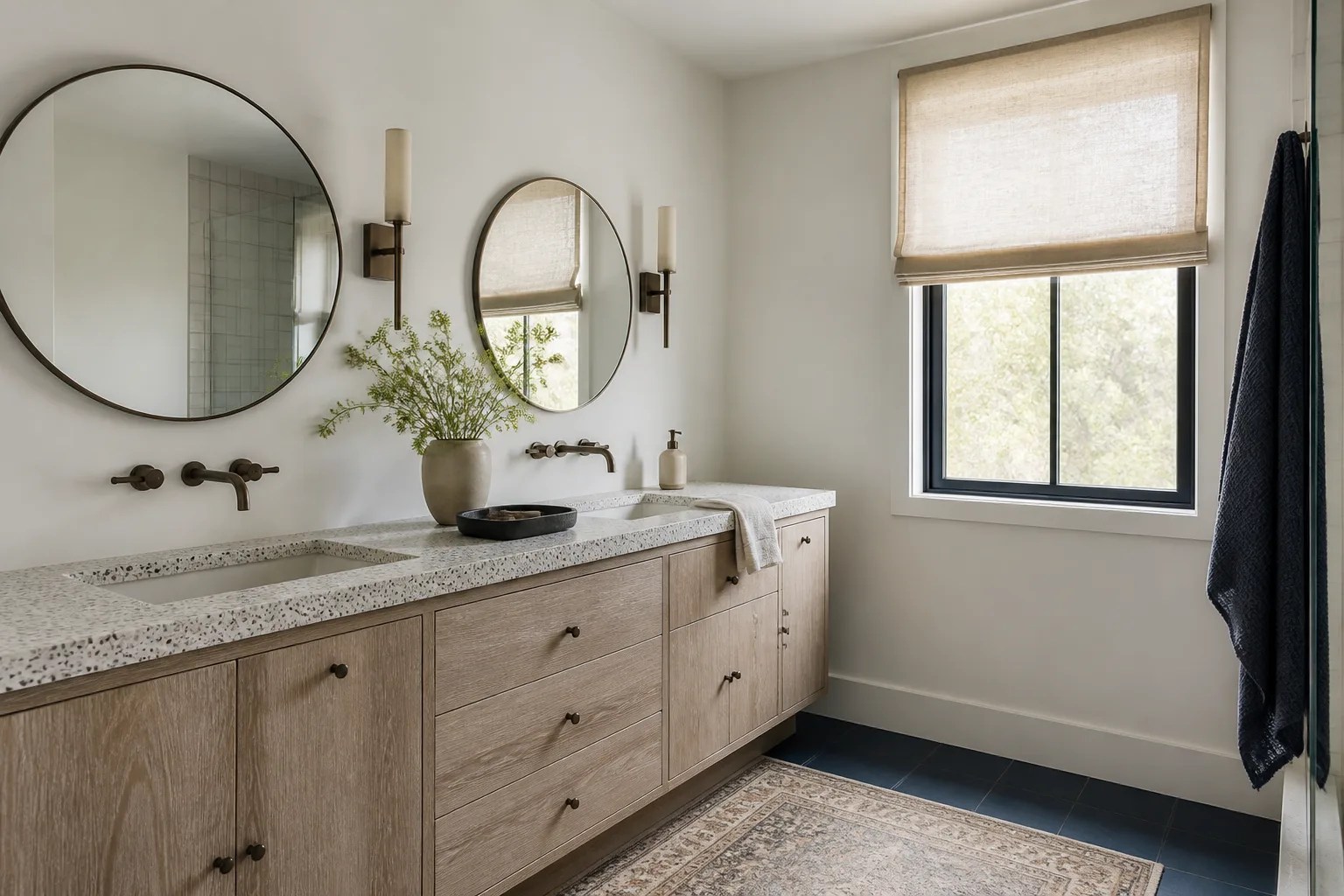
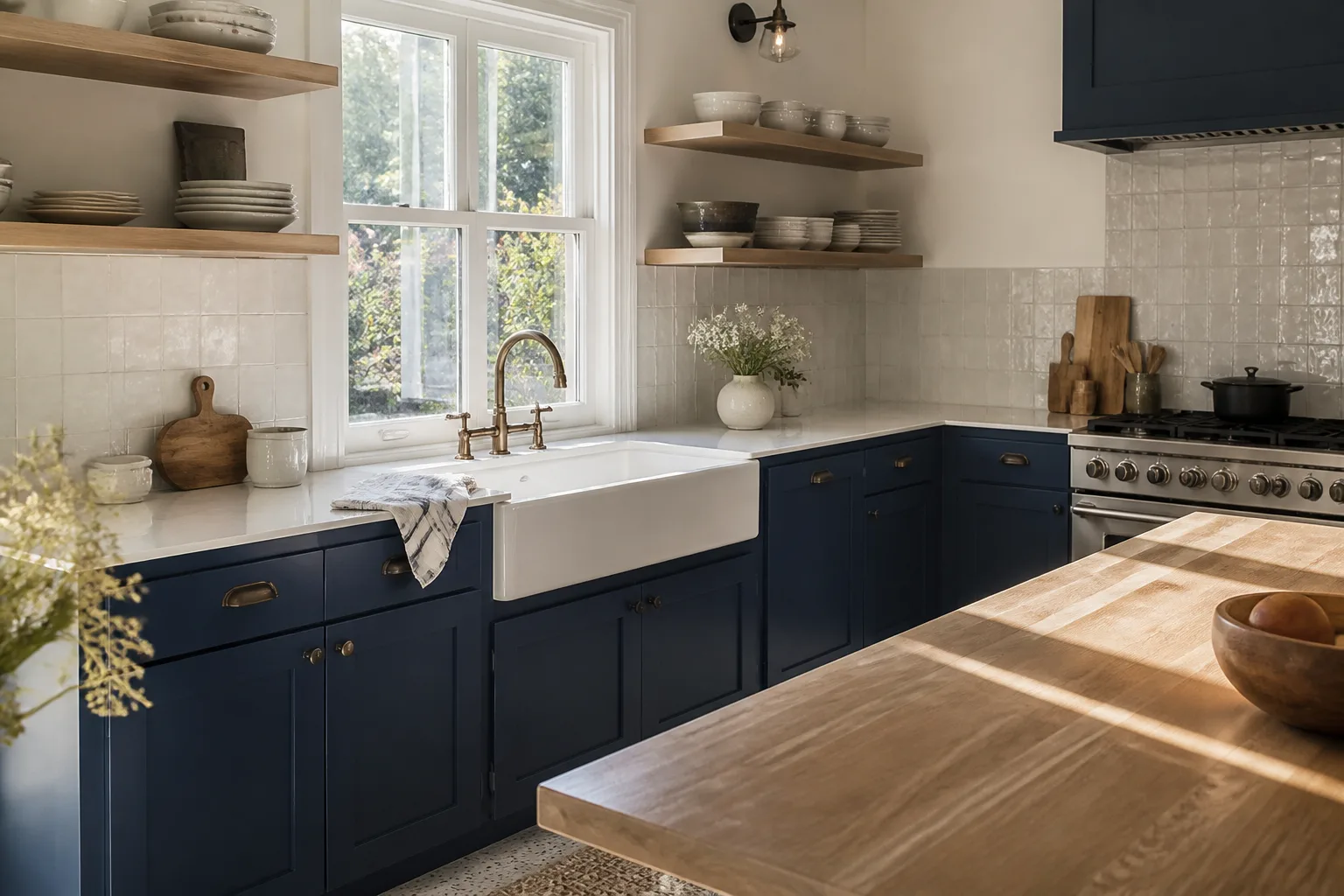
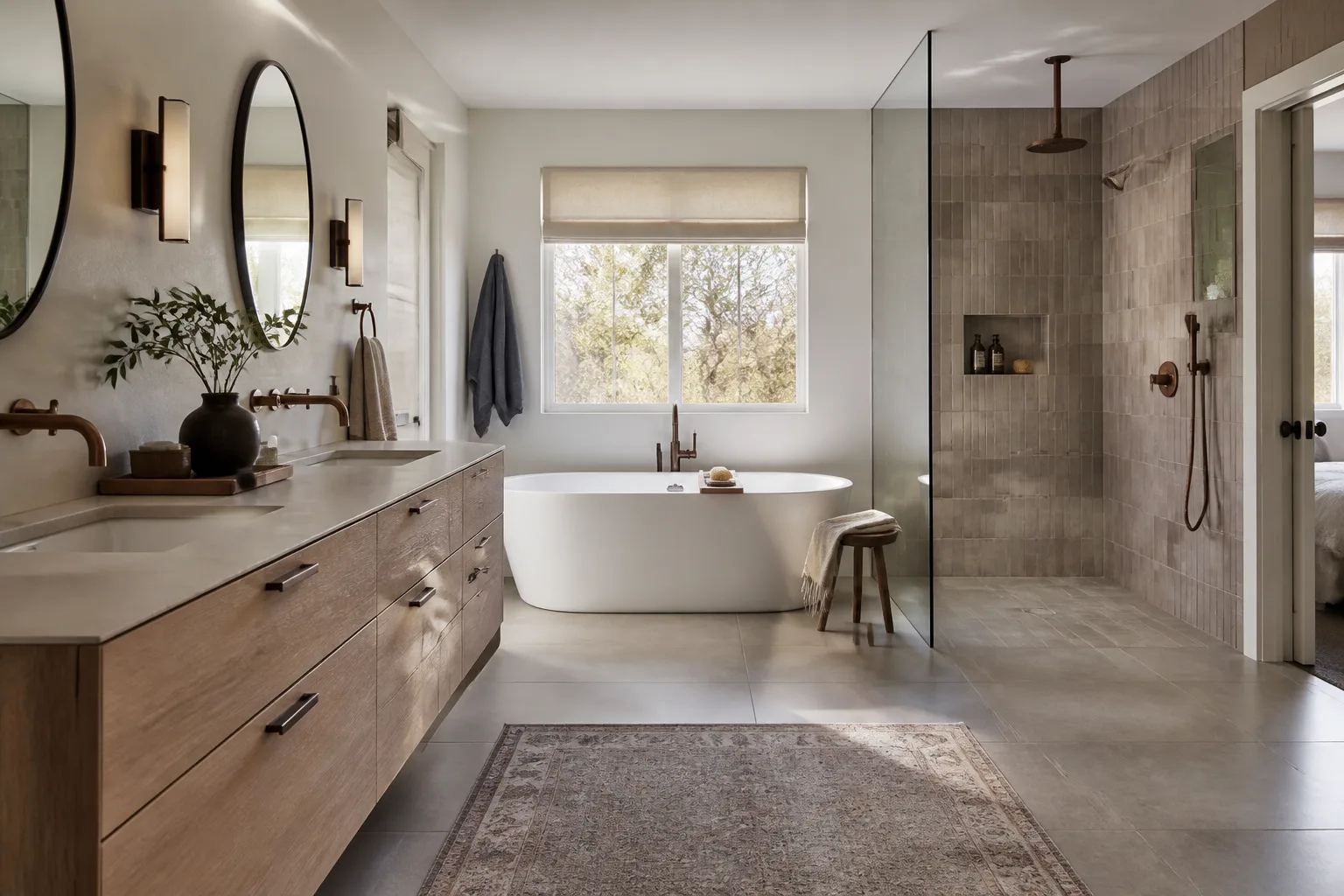
Here’s the compatibility gotcha most owners don’t know: Plant Prefab has revised its panel connection hardware at least twice since 2019. If your home is older than that, off-the-shelf Simpson or USP connectors may not match the original hole patterns, and forcing them is how you end up with a squeaky, shifting addition six months later. We check the actual hardware on your existing walls before ordering anything. For finish carpentry, cabinetry, and surfaces, we also stock and install KraftMaid, Cambria, and Silestone product lines, so the addition can match the rest of the house without shopping three different suppliers.
Styles & brands we work with







Signs Your Plant Prefab Home Additions & ADU Is Failing
- Gaps opening at the wall-to-roof connection. Austin’s clay soil expands and contracts with every wet-dry cycle, and that movement finds the weakest joint first. If you can see daylight or feel air moving at the top plate, the panel-to-roof connection has loosened.
- Drywall cracks at inside corners, especially above doors. This is usually differential settling between the original structure and the newer addition, not a cosmetic problem. A crack wider than a nickel means the two sections are moving independently.
- Sticking doors or windows that used to open fine. When a prefab addition shifts even a quarter inch, door and window frames rack out of square. This is often the first sign owners notice before they see any wall damage.
- Water staining at the marriage line or panel seams. The seam between modules, or between an addition and the original wall, is the most common leak point on prefab construction. Texas downpours will find any gap in the flashing or sealant.
- Floor bounce or soft spots near the connection point. If the addition’s floor framing wasn’t properly tied to the existing foundation or crawlspace supports, you’ll feel springiness or hear creaking when you walk across the threshold area.
See the difference
 Before
 After
After Before
 After
After Before
 After
AfterReplacement Cost & What’s Included
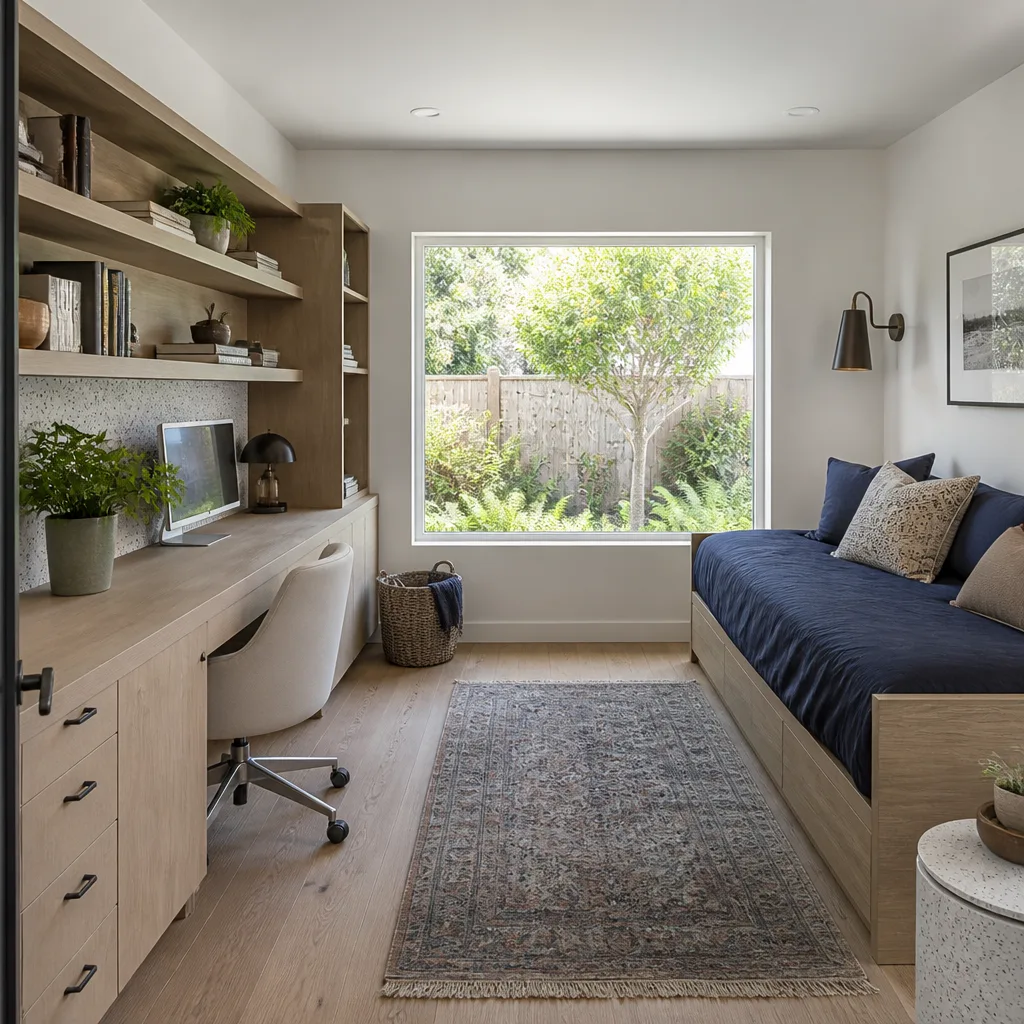
For a Plant Prefab home addition in Austin, full installed pricing lands between $45,000 and $130,000. For an ADU, you’re at $90,000 to $220,000. What drives the range: the size of the addition, whether your existing foundation can carry the new load (older Austin pier-and-beam homes sometimes need $5,000 – $12,000 in additional support work), the finish level you choose, and whether the site has access issues for a crane or delivery truck.
Our pricing includes the panel or module assembly, foundation work, roof tie-in, weatherproofing at all connection points, and the interior finish work: drywall, trim, paint, cabinetry, countertops, and fixtures. Every project gets a written price before we start, not a verbal estimate that grows later. We also pull permits and handle inspections, because unpermitted additions in Austin are a nightmare when you try to sell the house. Our work is covered for 365 days from the completion date. If something isn’t right within that year, we come back and fix it at no charge.
DIY or Call Us?
What you can safely check yourself: walk the perimeter after a big storm and look for gaps at the roofline, test doors and windows for binding, and mark any new drywall cracks with a pencil so you can see if they’re growing. That’s useful information for us when you call.
What you shouldn’t touch: anything involving panel connections, roof structure, or the marriage line between module sections. A prefab addition that’s not properly tied to the existing structure can shift under wind load, and a poorly seated roof connection can fail catastrophically during a Texas thunderstorm. This isn’t trim carpentry. If you’ve got movement at the connection points, call us at (903) 623-1966 before the next big front moves through.
FAQs
With proper installation and weatherproofing, a Plant Prefab addition should last as long as the original structure, typically 50-plus years. The weak points in Austin’s climate are the panel seams and roof connections, which is why we spend extra time on flashing and sealant at every joint.
Yes, in most cases. If the structure is still sound, we can re-secure the panel connections, fix the roof tie-in, and repair interior drywall damage for a fraction of the cost of a rebuild. Call (903) 623-1966 and we’ll tell you honestly which situation you’re in.
A panelized addition typically takes eight to fourteen weeks from permit approval to final walkthrough. A larger modular ADU can run three to five months, depending on site work and utility connections. We’ll give you a schedule in writing along with the price.
We stock common connection hardware, flashing, sealants, and finish materials in Austin, and we order panel-specific components as needed for your job. For surfaces and cabinetry, we carry KraftMaid, Cambria, and Silestone lines so you’re not waiting on a third-party supplier.
If your Plant Prefab addition or ADU is showing signs of trouble, or you’re planning one from scratch, call us at (903) 623-1966 for a free estimate. We’ll send someone out, put eyes on the structure, and give you a written price. Tell me what’s wrong with it. We’ll figure out what it actually needs.
Written by Isaac Pruett, Owner, Mason Remodeling Co Austin at Mason Remodeling Co Austin, serving Austin and nearby areas.


