




Free written scope consultation - allowances, timeline, and change-order rules on paper before a single trade is scheduled
Grohe Home Additions & ADU: The Austin Owner’s Guide
If you’re planning a home addition or ADU in Austin and want Grohe fixtures plumbed in from day one, you’re looking at $45,000 – $130,000 for a home addition, or $90,000 – $220,000 for a detached ADU. We stock and install Grohe faucets, shower systems, and rough-in valves alongside the full build, so your new space gets the fixtures you actually want, not whatever the supply house happened to have. Most owners don’t discover a Grohe part has failed until water pressure drops, a faucet drips, or a cartridge seizes. By then, you’re either hunting for a model number or staring at a drywall hole wondering if the plumber roughed it in right. Neither is fun. We handle both the diagnosis and the fix.
Which Grohe Models This Applies To
Grohe splits its residential line into a few families: Eurosmart, Concetto, Essence, Euphoria, and the newer SmartControl shower systems. Each uses its own cartridge style, and they are not interchangeable. The Eurosmart and Concetto lines use the Grohe SilkMove 46mm ceramic cartridge. The Essence and Euphoria lines use the 35mm version. SmartControl systems skip the traditional cartridge entirely and use individual thermostatic mixing valves behind each control button. If you’re looking at a rough-in valve already set in the wall, you can read the model number off the chrome trim plate, usually stamped on the back or printed on a sticker inside the handle opening.
One compatibility gotcha we run into constantly in Austin renovations: homeowners buy a Grohe shower head or hand shower on sale, then find it won’t fit the existing arm because the threading is metric in older European-market Grohe parts. U.S.-market Grohe uses standard 1/2″ NPT threading, but gray-market imports don’t always. If the box says something other than “Grohe US” or has a metric spec on the label, it may need an adapter or a different part entirely.
For rough-in valves, we recommend OEM Grohe cartridges, not aftermarket. The failure mode on a knockoff cartridge is almost always a hairline crack in the ceramic disc after a hard Austin freeze-thaw cycle. The genuine part has tighter ceramic tolerances and the pressure-balancing spool survives temperature swings better. You’ll pay $40 – $110 for the cartridge itself, and it’s worth every dollar to not open the wall twice.
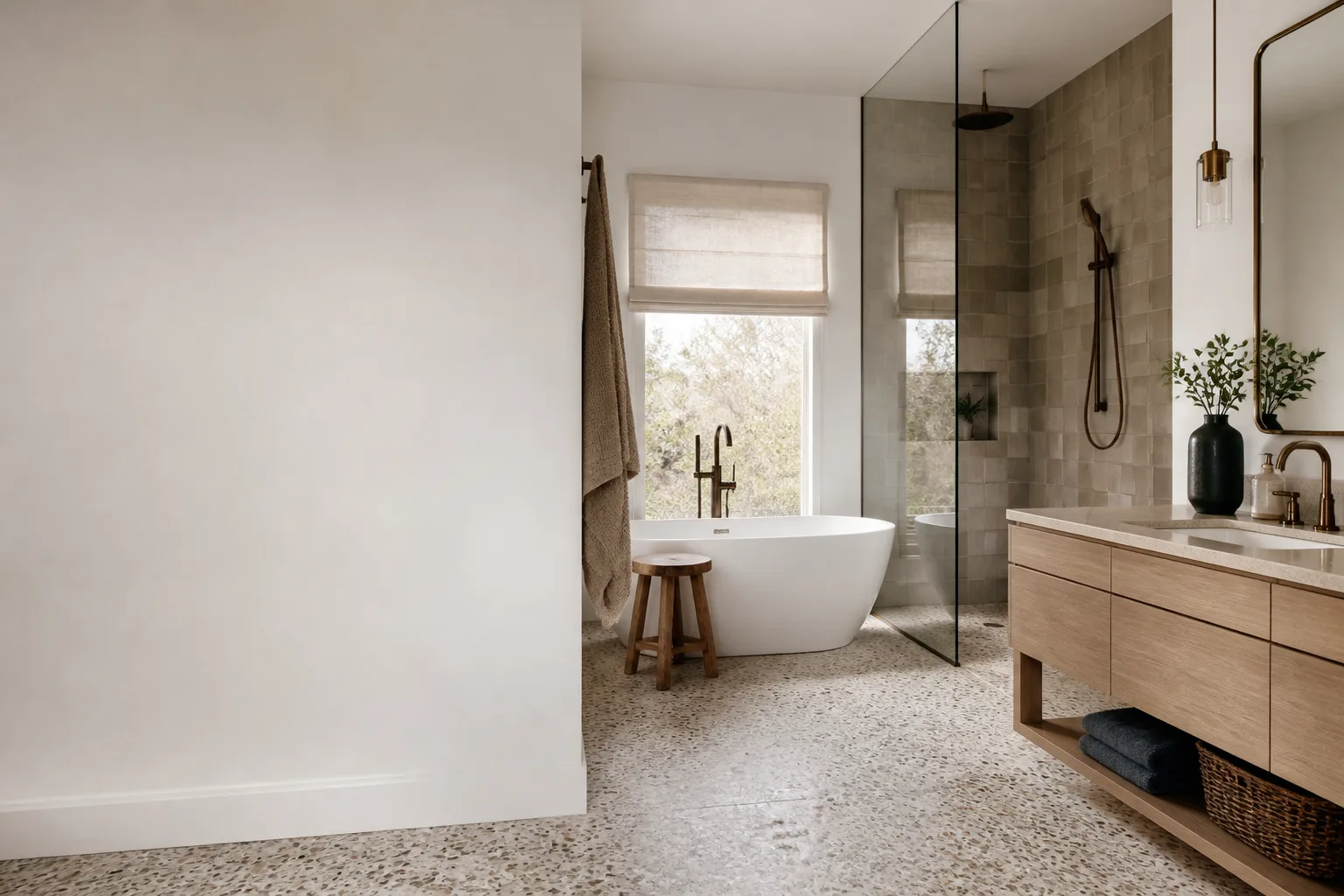
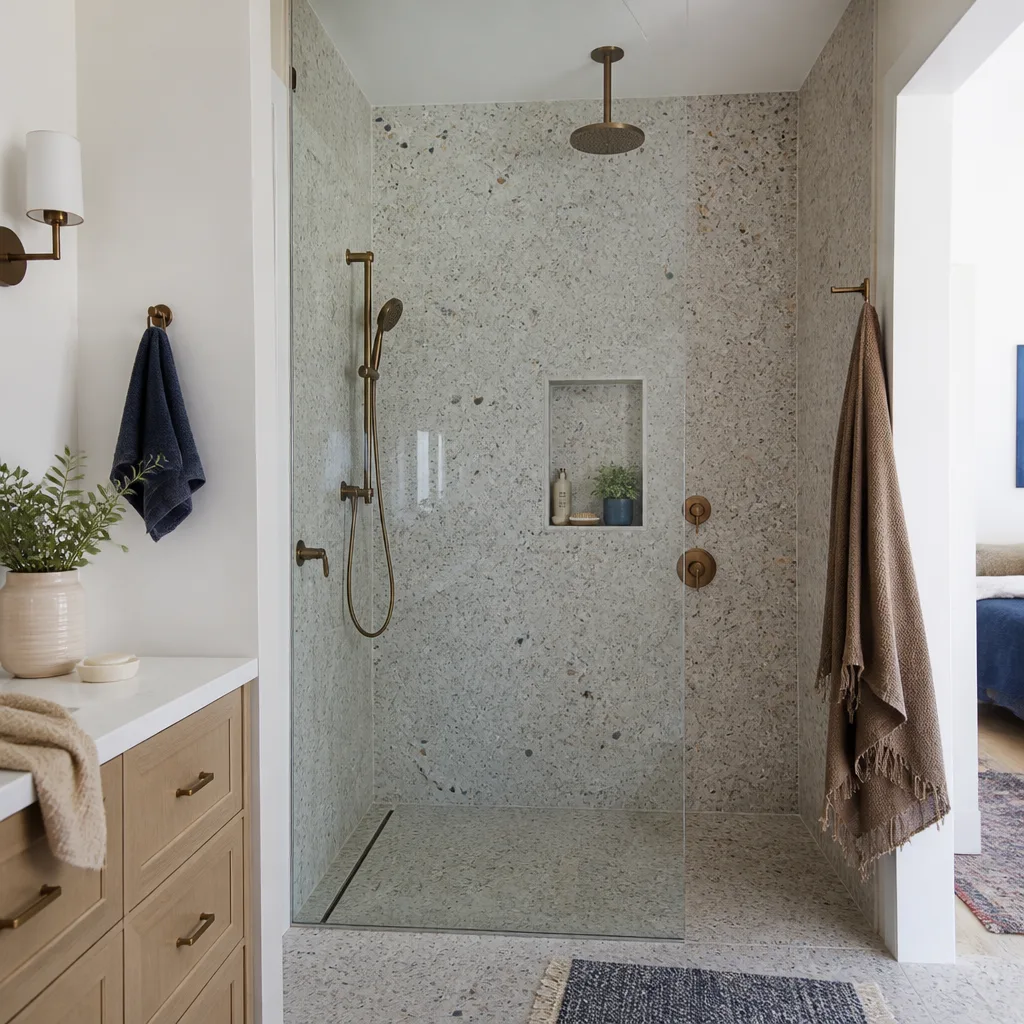
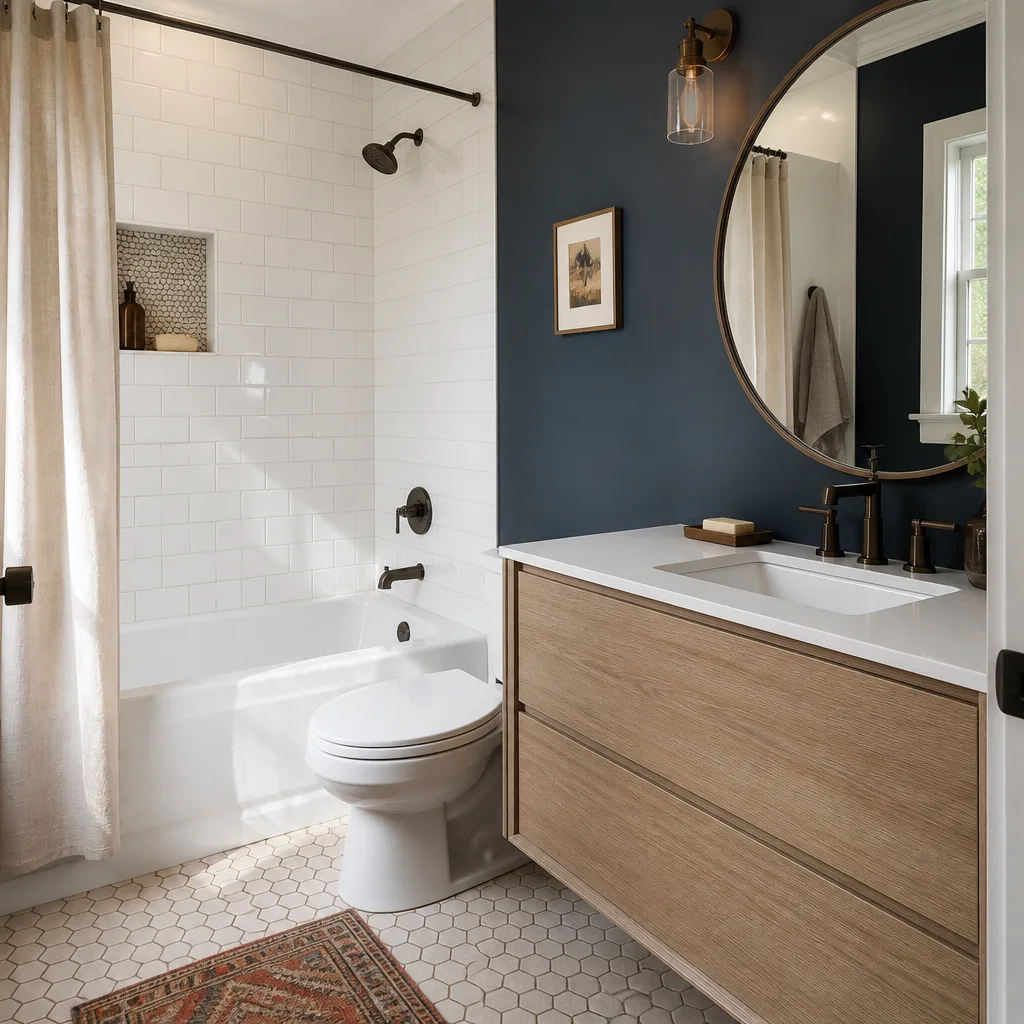
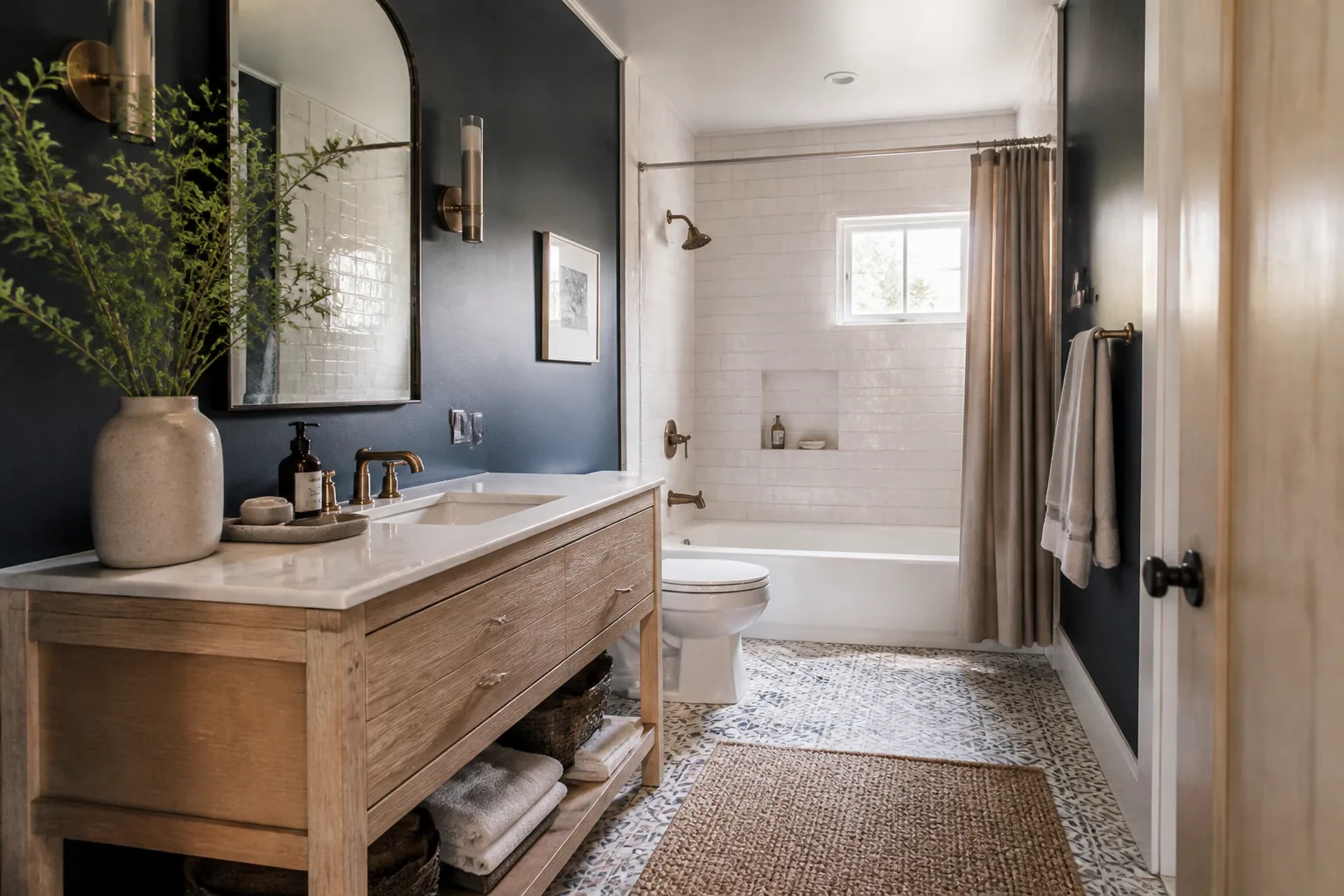
Styles & brands we work with







Signs Your Grohe Home Additions & ADU Is Failing
- Water temperature wanders while you’re showering. The pressure-balancing spool inside the cartridge is sticking, usually from calcium buildup in Austin’s hard water. It’s not a water heater problem. The cartridge needs a descale or replacement.
- The handle turns stiff, or feels gritty. The ceramic discs are grinding against each other, which means the grease inside has washed out or debris got past the inlet filter. Continuing to force it will score the discs and destroy the cartridge.
- A slow drip that never stops. A worn cartridge seat lets water seep past the ceramic discs even in the off position. You can watch your water bill climb a few dollars a month while it happens.
- Flow drops to a trickle from the shower head or tub spout. The Grohe DreamSpray nozzles or the inline filter screen on the valve inlet is clogged with sediment and scale. The part is cleanable, but not forever. Once the silicone nozzles harden, the spray pattern never comes back.
- Handle works, but the diverter won’t switch between tub and shower. The diverter cartridge in the valve body has a worn seal, and replacement means shutting off water to the whole bathroom and pulling the trim. Not a five-minute job, but not a wall-opening job either.
See the difference
 Before
 After
After Before
 After
After Before
 After
AfterReplacement Cost & What’s Included
Here’s what a Grohe parts replacement typically runs in Austin, installed:
- Cartridge replacement (single fixture): $180 – $380, including the OEM Grohe cartridge, labor, and testing.
- Shower head replacement with Grohe part: $90 – $220 installed, depending on whether you’re reusing the arm or replacing it too.
- Diverter rebuild: $220 – $450, including the diverter cartridge, trim removal, and reassembly with fresh seals.
- Rough-in valve replacement (access through the wall): $650 – $1,800, because it usually means cutting tile or drywall, sweating new connections, and patching after. If we’re already in the wall for a remodel, the marginal cost drops.
- Fixture package during a remodel or ADU build: Grohe parts are quoted as a line item inside your written project price, typically $800 – $4,500 depending on how many fixtures and which Grohe line you choose.
Every price above is a written, fixed quote before work starts. No surprise change orders on the back end. The parts carry the Grohe manufacturer warranty where applicable, and our labor is covered under the 365-Day Done Right Promise: if the installation fails within a year, we come back and make it right at no cost.
DIY or Call Us?
You can safely check two things yourself: the Grohe model number on the trim plate, and whether your shutoff valves actually work. Beyond that, we’d rather you didn’t open the wall. A Grohe rough-in valve sits under water pressure and inside your home’s structure. Getting the cartridge out without a Grohe puller tool is how people crack the valve body. Getting the new one in with an O-ring pinched is how people flood a bathroom at 2 a.m. Neither is worth the savings on a $180 service call.
If you’re mid-remodel and adding a bathroom or ADU, the Grohe parts decision happens at rough-in, not finishing. Tell me what’s wrong with it. We’ll figure out what it actually needs. We spec the right valve, the right trim, and the right rough-in depth for your tile thickness before the plumber ever touches copper. Call (903) 623-1966 and we’ll walk through what you have and what it’ll take.
FAQs
A Grohe SilkMove cartridge typically lasts 8 – 15 years in Austin, but hard water (Austin’s averages 150 – 180 ppm calcium carbonate) can shorten that to 5 – 8 years if you skip regular descaling. A softener adds years, but nothing makes them permanent.
Sometimes, yes. If the issue is calcium buildup, we can pull the cartridge, soak it in a descaling solution, re-grease the ceramic discs with Grohe’s silicone grease, and get more life out of it. If the discs are scored or the spool is cracked, replacement is the only option. Call (903) 623-1966 and we’ll tell you which one you’re looking at before you spend a dollar.
A cartridge swap takes 45 – 90 minutes once we’re at the house. A diverter rebuild is 1 – 2 hours. A rough-in valve replacement through the wall is a half-day to a full day, depending on what tile or drywall has to come out and go back in. We’ll give you a time window in the written quote, not a vague “sometime Tuesday.”
We keep the common Grohe 35mm and 46mm SilkMove cartridges, diverter cartridges, and pressure-balance spools on the truck for the most-used U.S. lines. Specialty trim kits and SmartControl valves are usually a day out from our supplier. If you’re also working with KraftMaid, Cambria, or Silestone in the same project, we can coordinate delivery so you’re not waiting on three different trucks.
If your Grohe fixture is misbehaving and you’d rather know exactly what it’ll cost to fix before anyone touches a wrench, call (903) 623-1966 for a free, written estimate. Isaac Pruett and our Austin crew will look at what you have, tell you what it needs, and put the number in writing.
Written by Isaac Pruett, Owner, Mason Remodeling Co Austin, serving Austin and nearby areas.


