




Free written scope consultation - allowances, timeline, and change-order rules on paper before a single trade is scheduled
Tuff Shed Fence Installation: The Austin Owner’s Guide
Fence installation around or attached to a Tuff Shed in Austin typically runs $3,500 to $9,000 installed, depending on linear footage, material choice, and whether we’re tying into an existing Tuff Shed structure or starting fresh. Most Tuff Shed owners discover they need fence work when a Texas storm pulls posts loose, cedar starts rotting at the base after a wet spring, or the shed they bought didn’t come with the fenced enclosure they actually wanted for storing equipment out of sight. We stock common fence materials on the truck for Austin jobs, and a straightforward replacement section is usually done in a day or two, not weeks. If you’re reading this because a fence panel is leaning against your Tuff Shed or the gate drags on the ground now, you’re in the right place.
We’re Mason Remodeling Co Austin, an independent service provider. We’re not affiliated with Tuff Shed, but we work on plenty of their products because Austin homeowners keep asking us to. Isaac Pruett, our owner, has been serving Austin homeowners for several years now, and he’ll tell you the same thing about fence work he tells every client: tell me what’s wrong with it. We’ll figure out what it actually needs.
Which Tuff Shed Models This Applies To
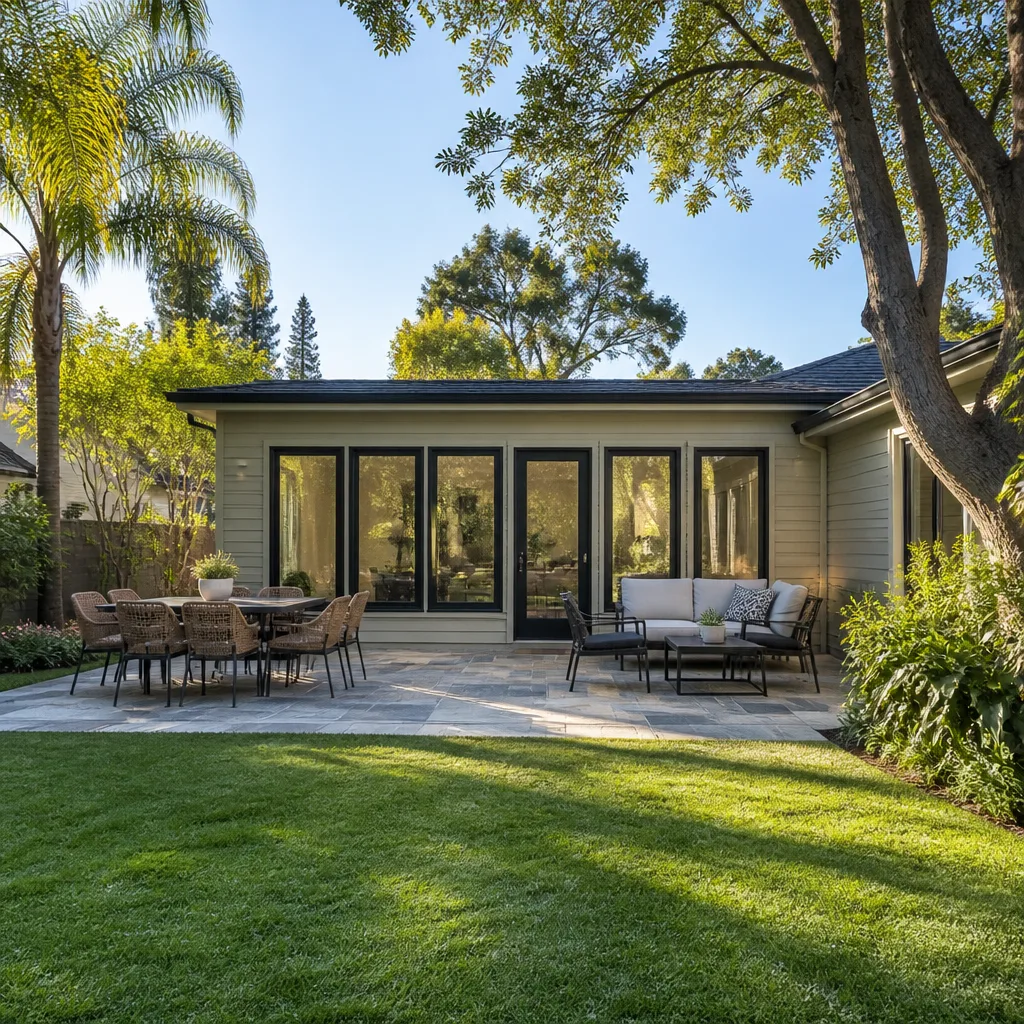
This fence installation guidance applies to the full range of Tuff Shed products you’ll find in Austin backyards: the Premier Series, Pro Series, and the Ranch and Sundance lines that dominate the Texas market. What matters for fence work isn’t the shed model number as much as two things: the shed’s skid or foundation type, and whether you want the fence freestanding or attached to the shed itself.
A key compatibility gotcha: Tuff Shed builds on skids, concrete slabs, or pier-and-beam foundations depending on how it was ordered. Fence posts set within 18 inches of a skid-mounted shed often hit the skid itself during augering, which means we offset the post line slightly and bridge the gap with a trimmed panel. For slab-mounted sheds, we can anchor posts closer, but we never drill into the slab edge without checking for the anchor bolt pattern first. If you can find the metal tag on your shed door frame with the serial number, that helps us confirm the original build spec. But honestly, for fence work, the shed’s foundation type matters more than the series name.
On materials: Tuff Shed doesn’t manufacture fence panels, so there’s no such thing as a “Tuff Shed OEM fence part.” What you’re buying is either quality Western red cedar, pressure-treated pine, or vinyl fencing matched to your shed’s color and trim. That’s fine, because the fence isn’t a Tuff Shed part. It’s a separate structure we install to work around the shed.
We stock pressure-treated pine posts and cedar pickets on the truck for most Austin fence jobs. KraftMaid, Cambria, and Silestone are brands we work with on interior projects, not fence work, but mentioning them tells you the standard Mason Remodeling Co Austin holds: specification-grade materials on everything, inside or out.
Styles & brands we work with







Signs Your Tuff Shed Fence Installation Is Failing
- Posts leaning at the base, especially after rain. Austin’s clay soil expands when wet and shrinks when dry. A post set in concrete but not deep enough will start to list after a few seasonal cycles. If more than two posts are visibly off-plumb, the section needs resetting, not just straightening.
- Gate dragging or won’t latch. This usually means the gate post has shifted. In Austin’s freeze-thaw cycles, shallow-set gate posts move enough to break the latch alignment by a quarter inch, which is all it takes.
- Cedar boards soft or crumbling at the bottom edge. Sprinkler overspray and ground contact rot cedar pickets from the bottom up. If you can push a screwdriver into the lower four inches of a picket, that board is done.
- Fence nails backing out or pickets splitting. Texas heat dries cedar until it shrinks. Nails lose their hold, and pickets split along grain lines. This is a fastener and board replacement issue, not a full fence replacement.
- A gap opened between the fence and your Tuff Shed. Whether the shed settled, the fence moved, or both, a visible gap means the run wasn’t properly tied to the shed’s foundation line. It also means your dog has found it. We fix this with a correctly trimmed fill section that accounts for future movement.
See the difference
 Before
 After
After Before
 After
After Before
 After
AfterReplacement Cost & What’s Included
In Austin, a new fence installation tied to a Tuff Shed setup runs $3,500 to $9,000. A smaller run of 40 to 60 linear feet in pressure-treated pine with a single gate sits at the lower end. A larger yard, cedar pickets, vinyl, or a double gate on a concrete pad pushes toward the top. The range covers post removal and disposal, new posts set to code depth, rails, pickets, hardware, and a gate that actually closes.
| Scope | Austin Price Range |
|---|---|
| 40-60 linear ft, pressure-treated pine, 1 gate | $3,500 – $5,000 |
| 60-100 linear ft, cedar pickets, 1 gate | $5,000 – $7,500 |
| Vinyl fence or custom double gate, larger yard | $7,000 – $9,000 |
| Partial repair (reset posts, replace pickets) | $400 – $1,800 |
You get a written price before any work starts. That means the number on the paper is the number you pay, no change orders unless you change the scope. Every Mason Remodeling Co Austin fence job carries the 365-Day Done Right Promise: if the work isn’t right within a year of completion, we make it right at no cost. That covers post shifting, gate alignment, picket failure, and hardware issues. It’s in writing, with the terms stated plainly, for 365 days from the completion date.
DIY or Call Us?
Here’s the honest split. You can absolutely check whether your fence posts are plumb, whether gate hinges are tight, and whether pickets are soft at the base. That’s useful information for whoever does the work, and you don’t need tools for it. What you shouldn’t attempt on your own is pulling and resetting posts in Austin’s clay, especially posts near a Tuff Shed foundation. Augering in clay is physically demanding, and setting posts to the right depth so they don’t shift is the difference between a fence that lasts and one leaning by next spring. Post-hole digging also carries the risk of hitting irrigation lines, cable, or the shed’s foundation edge if you’re working blind.
If you’re handy, replacing a few broken pickets is reasonable weekend work. If posts are moving, the gate won’t close, or the run is tied to your shed’s foundation, call us at (903) 623-1966. We’ll assess it, give you a written price, and tell you honestly whether a repair makes more sense than a replacement.
FAQs

A properly installed pressure-treated pine fence lasts 15 to 20 years in Austin’s climate. Cedar pickets typically last 12 to 18 years before the lower sections need replacement. Vinyl fencing lasts 25 years or more, but it costs more upfront. The biggest lifespan factor here is post depth: in Austin’s expansive clay soil, posts need to be set below the frost line and deep enough to resist seasonal movement. Shallow posts are why most Austin fences fail before the wood gives out. If your fence is leaning under ten years old, the posts were likely the problem, not the pickets. Call (903) 623-1966 for an assessment and a written repair quote.
Yes, in many cases we can repair rather than replace. Resetting individual posts, replacing rotted pickets, and realigning gates are all routine repair jobs. The repair range in Austin is $400 to $1,800 depending on how many posts have shifted and how much material needs replacing. We’ll tell you honestly if a repair buys you a few years or if replacement is the smarter long-term move. Either way, you get a written price before we start. Call (903) 623-1966 to schedule a look.
For a typical Austin fence installation around a Tuff Shed, plan on one to three working days. A single straight run with one gate is usually done in a day if the ground cooperates. A larger yard, multiple gates, or extensive old-post removal can take two to three days. Post-setting in Austin’s clay adds time if we hit dry, compacted soil or need to hand-dig near your shed’s foundation. We’ll give you a timeline in the written estimate and stick to it. Call (903) 623-1966 for a free estimate.
We keep pressure-treated pine posts, cedar pickets, rails, and standard gate hardware on the truck for Austin-area jobs. For vinyl fencing or custom gate designs, we order materials before we arrive, which typically adds a few days to the schedule. We’ll confirm what’s needed during the estimate so you know the material lead time before work starts. Call (903) 623-1966 and a live person will answer, 24 hours a day, 7 days a week.
Written by Isaac Pruett, Owner, Mason Remodeling Co Austin at Mason Remodeling Co Austin, serving Austin and nearby areas.


